

Case Types
Sawbones Consulting provides orthopaedic expert witness services in complex musculoskeletal cases involving trauma, reconstruction, and disputed medical issues.
Sawbones Consulting provides orthopaedic expert witness services across a wide range of musculoskeletal conditions involving injury, diagnosis, treatment, and outcomes. Cases are evaluated with careful attention to mechanism of injury, clinical course, imaging findings, and applicable standards of care. Representative matters include high-value personal injury cases, complex orthopaedic trauma, surgical complication claims, and disputed causation scenarios.
The practice encompasses both acute traumatic injuries and complex reconstructive conditions, with experience spanning the full spectrum of orthopaedic surgery.
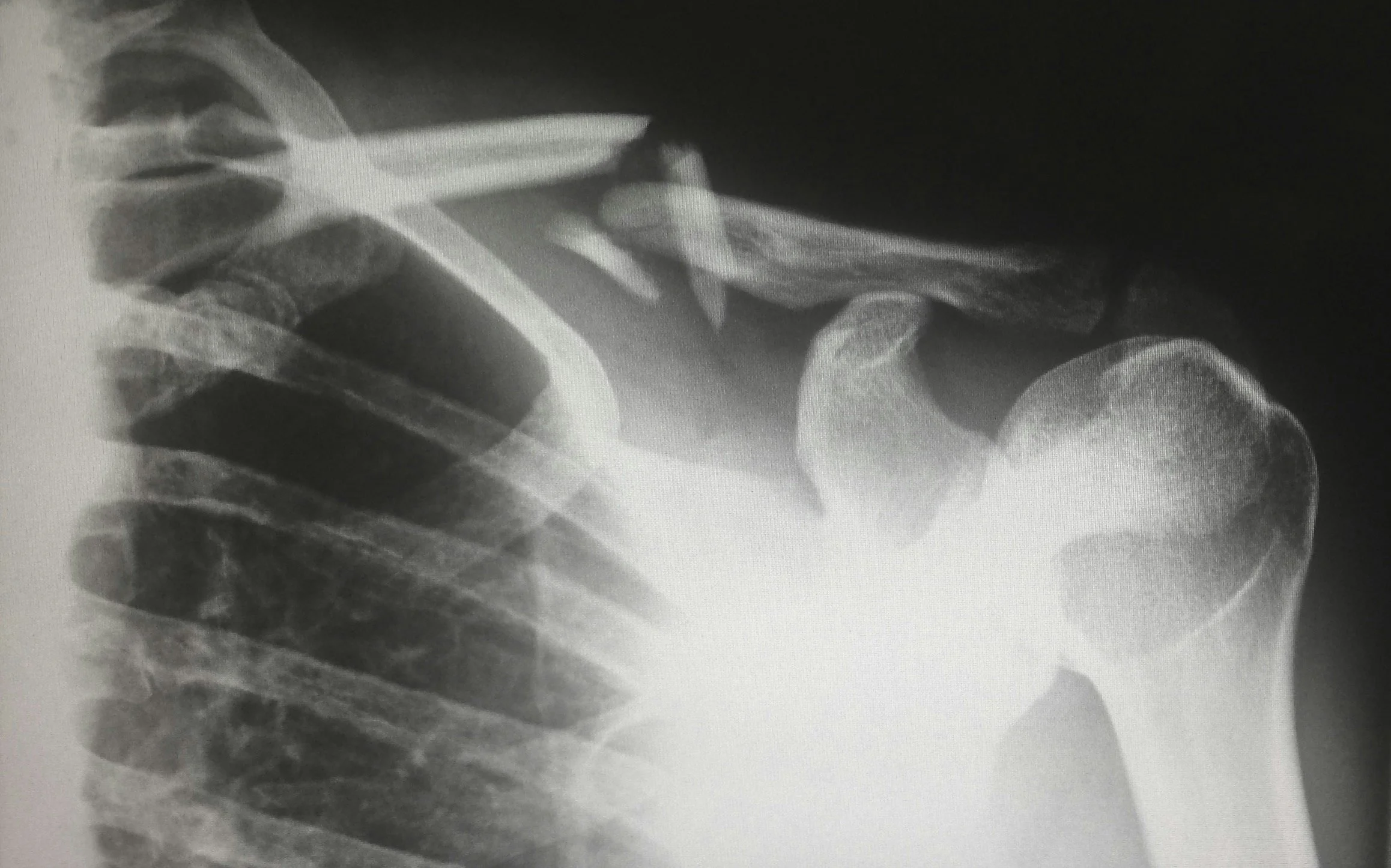
Orthopaedic Trauma & Fracture Care
A substantial portion of cases involve orthopaedic trauma, including high-energy injuries and complex fracture patterns. These cases often require detailed analysis of fracture classification, treatment decisions, surgical technique, and post-injury recovery.
Evaluation includes fractures of the upper and lower extremities, as well as injuries involving the pelvis and acetabulum. Consideration is given to fracture healing, alignment, complications, and long-term functional outcomes.

Lower Extremity Conditions
Lower extremity cases commonly involve injuries and conditions affecting the hip, knee, ankle, and foot. These may include fractures, ligament injuries, cartilage pathology, and complex post-injury or post-surgical presentations.
Particular attention is given to weight-bearing function, alignment, joint stability, and long-term outcomes.
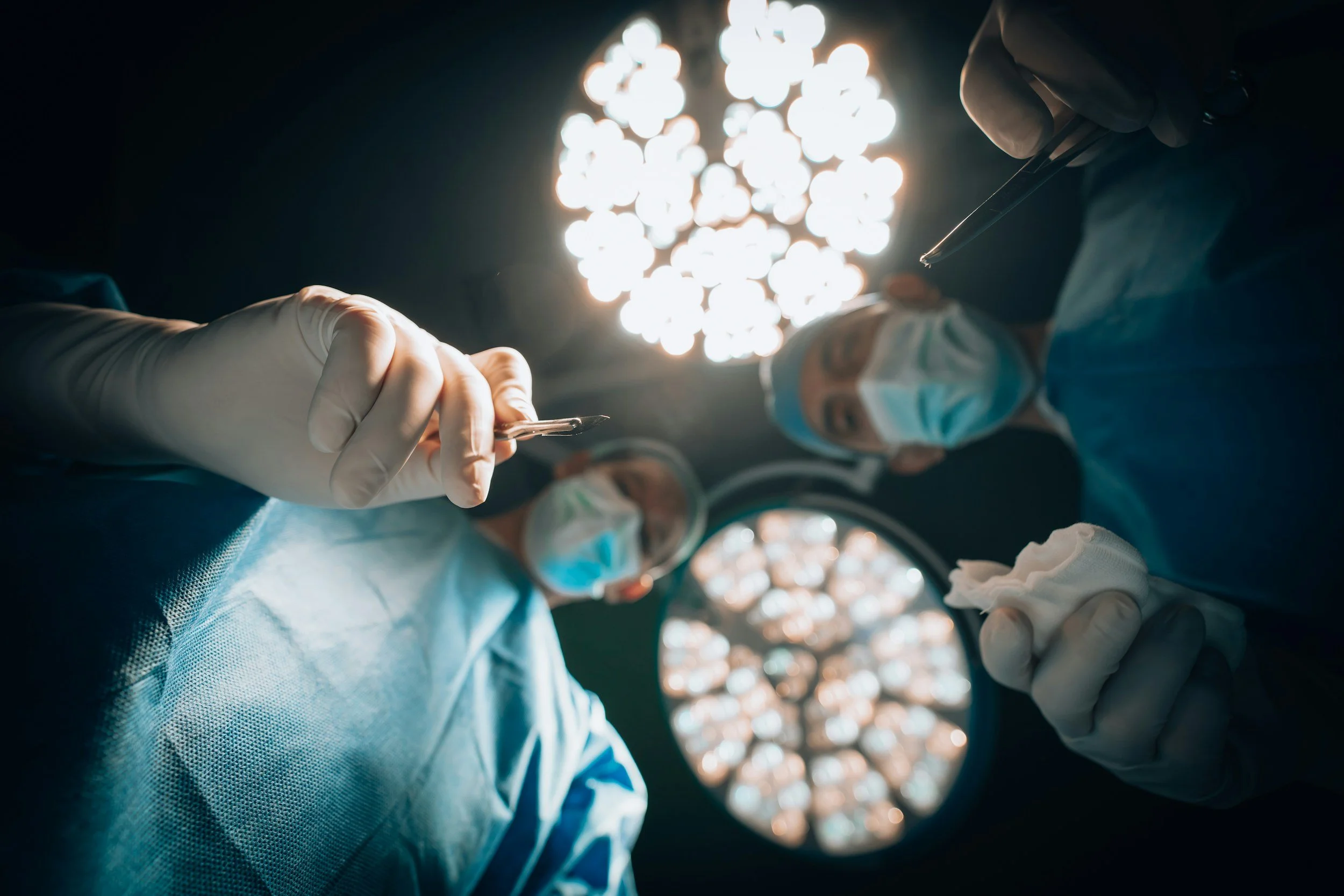
Surgical Complications & Post-Operative Course
Many cases involve complications following orthopaedic procedures. These may include issues related to infection, hardware, alignment, persistent pain, or functional limitation.
Evaluation focuses on whether the complication is recognized risk versus potential deviation from standard of care, as well as the impact on long-term outcome.

Delayed Diagnosis & Treatment Issues
Cases involving delayed or missed diagnosis require careful review of clinical presentation, imaging interpretation, and treatment timelines.
Analysis focuses on whether earlier recognition or intervention would have altered the clinical course, as well as the extent of any resulting impact on outcome.
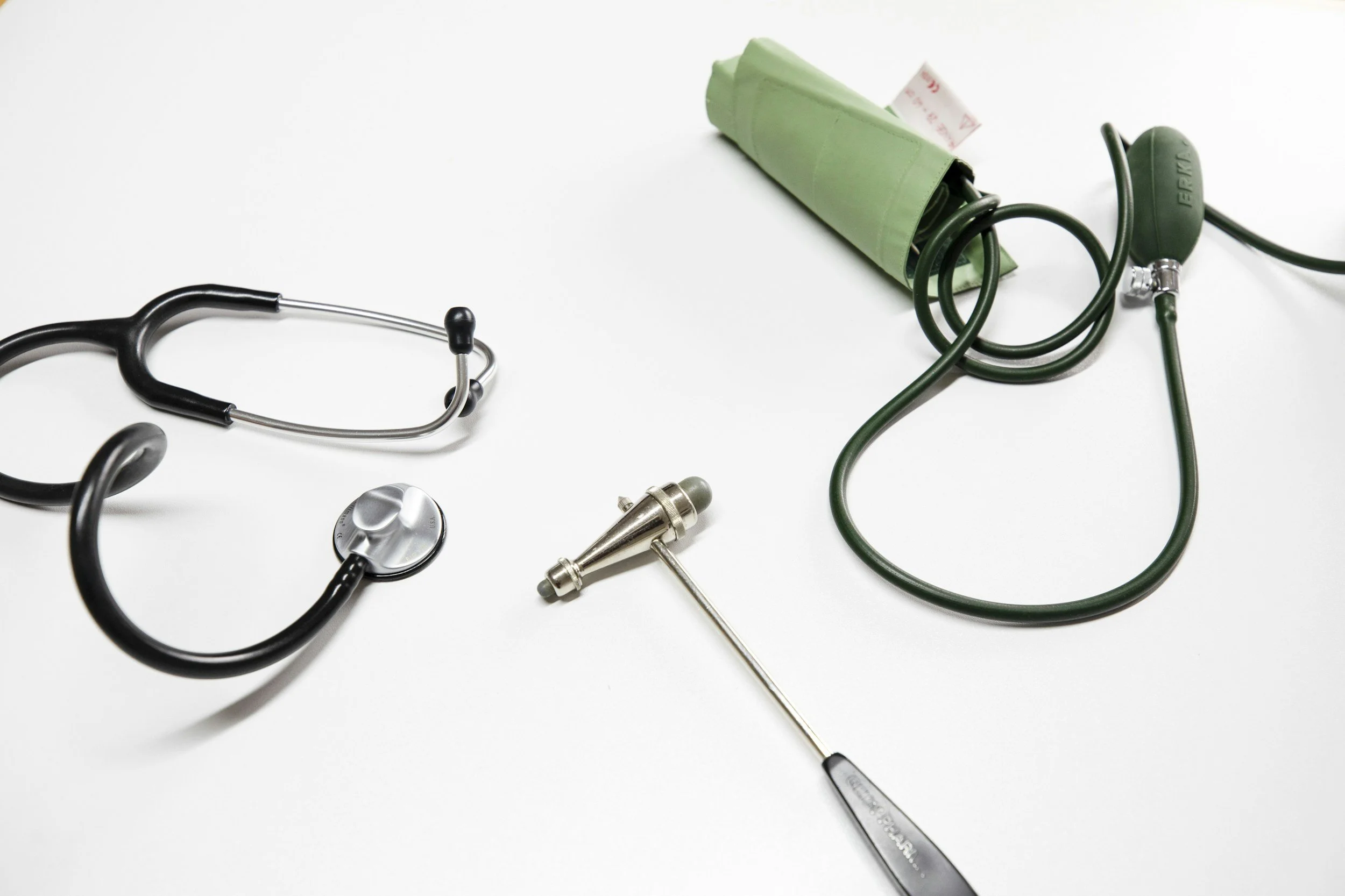
Independent Medical Evaluations
Independent medical evaluations are performed in the context of orthopaedic injury and treatment. These evaluations address diagnosis, causation, treatment, impairment, and prognosis, and are conducted with an objective and structured approach.

Upper Extremity Conditions
Cases involving the shoulder, elbow, wrist, and hand are evaluated with attention to both traumatic and non-traumatic conditions. This includes fractures, ligamentous injuries, tendon pathology, and post-operative complications.
Assessment focuses on diagnosis, treatment appropriateness, surgical decision-making, and resulting functional limitations.
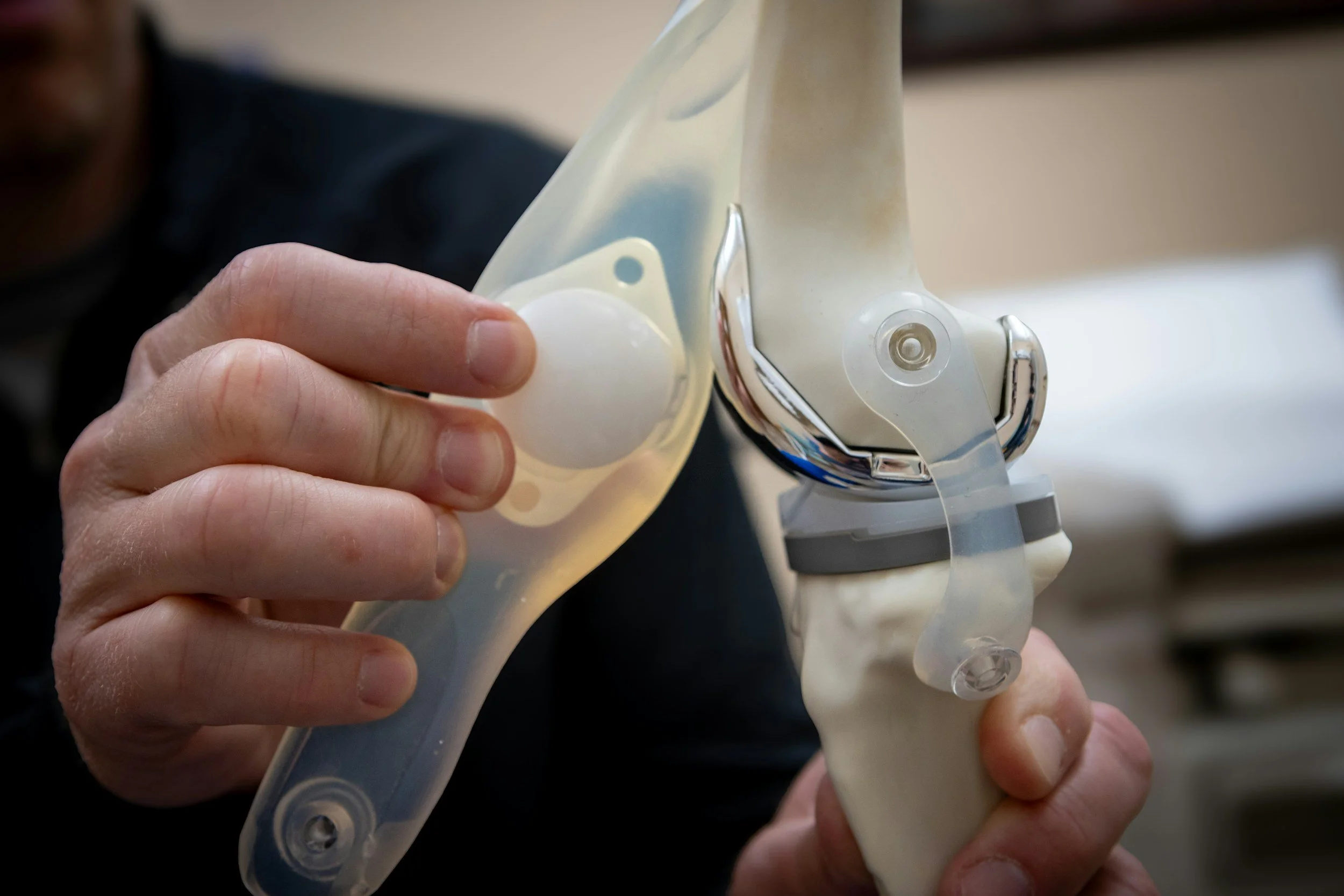
Adult Reconstruction & Joint Arthroplasty
Sawbones Consulting evaluates cases involving adult reconstruction, including hip and knee arthroplasty and related procedures. These cases may involve complications, post-operative outcomes, or questions regarding surgical planning and execution.
Analysis includes implant positioning, limb alignment, functional outcomes, and the relationship between pre-existing conditions and surgical results.
Causation & Mechanism of Injury
Causation analysis is central to many orthopaedic cases. This includes evaluation of whether a specific injury or condition is related to a reported event, pre-existing pathology, or subsequent factors.
Mechanism of injury is assessed in the context of clinical findings, imaging, and treatment history to determine medical plausibility and consistency.
Impairment, Functional Limitations & Future Care
Evaluation may include assessment of permanent impairment, functional limitations, and future treatment needs. This includes consideration of ongoing symptoms, work capacity, and anticipated medical care.
Opinions are based on clinical findings, treatment history, and established orthopaedic principles

Approach to Case Evaluation
Each case is evaluated independently, with detailed review of medical records, imaging, and treatment chronology. Opinions are grounded in current orthopaedic standards of care and clinical experience, and are communicated in a clear, organized, and defensible manner.